Description
Starscope Monocular: The Compact Optical Solution for Outdoor Enthusiasts
The Starscope Monocular combines portability with optical performance, offering outdoor enthusiasts a versatile tool for exploration and observation. This comprehensive guide examines all aspects of this popular handheld telescope, from its technical specifications and functionality to real user experiences and purchasing information.
What is Starscope Monocular?
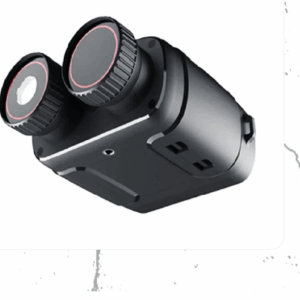
The Starscope Monocular is a compact, single-tube optical device designed to provide magnified viewing of distant objects in a highly portable form factor. Unlike traditional binoculars or full-sized telescopes, this lightweight monocular weighs between 249-320 grams, making it easy to carry in a pocket, backpack, or even attached to a belt during outdoor activities.
With dimensions of approximately 165mm x 52mm x 45mm, the Starscope Monocular features a streamlined cylindrical design that can be easily operated with one hand. The device is built around a fixed 10x magnification system, allowing users to bring distant subjects visually closer without the complexity of variable zoom mechanisms. This simplicity contributes to both its durability and ease of use.
At the front of the device sits a 42mm objective lens (though some marketing materials claim 50mm), which determines the amount of light gathered and affects image brightness. The Starscope Monocular has gained particular attention in the market for its promoted compatibility with smartphones. Using an optional adapter, users can align their phone’s camera with the monocular’s eyepiece to create a makeshift telephoto lens, effectively transforming a standard smartphone into a long-range photography tool.
This dual functionality as both a viewing device and camera enhancer has positioned the Starscope Monocular as an attractive option for hikers, wildlife enthusiasts, sports spectators, and casual astronomers seeking an affordable, multi-purpose optical solution without the bulk or expense of specialized equipment.
How Does Starscope Monocular Work?
The Starscope Monocular operates through precision optical components that work together to magnify distant objects while maintaining image clarity. At the heart of this device is the BAK4 (Barium Crown) prism technology—a high-quality optical glass system known for producing sharper images with better light transmission than standard BK7 prisms. This prismatic design allows the monocular to deliver 10x magnification while maintaining a compact form factor.
Light enters through the objective lens at the front of the monocular and passes through a series of multi-coated lenses designed to enhance light transmission while reducing glare and unwanted reflections. These anti-reflective coatings are critical to maintaining image brightness and contrast, particularly in challenging lighting conditions. The multi-coating process involves applying multiple layers of anti-reflective material to the lens surfaces, resulting in clearer, more vibrant images compared to single-coated or uncoated lenses.
The Starscope Monocular employs a center focus mechanism, which allows users to adjust the clarity of the image by rotating a focus dial located on the body of the device. This manual focusing system enables precise adjustments to accommodate different viewing distances and user eyesight variations. By turning the focus ring, internal lens elements shift position relative to each other, bringing the subject into sharp focus.
When paired with a smartphone using the optional adapter, the Starscope Monocular essentially functions as a telephoto lens. The adapter secures the smartphone in position with the camera lens aligned perfectly with the monocular’s eyepiece. The phone’s camera captures the magnified image produced by the monocular, effectively extending the reach of the smartphone’s built-in lens. This configuration allows users to take zoomed photos and videos at distances far beyond the capabilities of standard smartphone cameras, though image quality will depend on proper alignment, steadiness, and the smartphone’s own camera specifications.
Starscope Monocular Features
The Starscope Monocular packs an impressive array of features into its compact design, making it suitable for diverse outdoor activities and viewing conditions. Understanding these technical specifications is essential for evaluating how this optical device might perform in real-world scenarios.
Optical Performance
With 10x fixed optical zoom capability, the Starscope brings distant objects significantly closer without sacrificing portability. The BAK4 prism system provides superior light transmission and edge-to-edge clarity compared to lower-quality prisms, resulting in brighter images with minimal distortion.
Enhanced Viewing Experience
The multi-coated lens system with center focus mechanism allows for precise adjustments to image clarity based on viewing distance and user eyesight. With a 305-foot field of view at 1000 yards (approximately 5.37°), users can observe a reasonably wide area despite the 10x magnification.
Weather Resistance
The IPX5 waterproof rating means the Starscope can withstand water jets from any direction, making it suitable for use in light rain or humid conditions. Additionally, the fog-proof construction prevents internal lens fogging when moving between different temperature environments.
Beyond these core specifications, the Starscope Monocular includes several design features that enhance its usability in the field. The built-in ¼” standard tripod mount allows for stable viewing during extended observation sessions, which is particularly valuable when using higher magnifications where hand tremors can affect image stability. This standard mounting thread ensures compatibility with virtually any camera tripod on the market.
The adjustable eyecup is another thoughtful addition, allowing users to customize the eye relief distance for comfortable viewing with or without eyeglasses. By twisting the eyecup, users can adjust the distance between their eye and the ocular lens to achieve the optimal full field of view based on their individual needs.
These features collectively contribute to the Starscope Monocular’s versatility as an all-purpose optical device that balances performance, durability, and convenience for casual to intermediate users across multiple outdoor applications.
Benefits of Starscope Monocular
The Starscope Monocular offers numerous advantages that make it an attractive option for outdoor enthusiasts, travelers, and casual observers alike. Understanding these benefits provides insight into why this compact optical device has gained popularity among diverse user groups.
Extended Viewing Range
Perhaps the most significant benefit of the Starscope Monocular is its ability to dramatically extend human visual capabilities. With its 10x magnification power, users can observe details at distances up to 1000 yards in ideal conditions. This enhanced viewing range opens up new possibilities for wildlife observation, scenic appreciation, and event viewing without the need to physically approach the subject.
Smartphone Photography Enhancement
The compatibility with smartphones transforms the Starscope into a versatile photography tool. By attaching a smartphone to the monocular using the available adapter, users can capture telephoto images that would otherwise require expensive camera equipment. This functionality is particularly valuable for documenting wildlife sightings, capturing distant landmarks, or zooming in on sports action from the stands.
The Starscope Monocular’s compact size represents another significant advantage over traditional optical equipment. Weighing less than most paperback books and easily fitting in a jacket pocket or small bag compartment, it offers genuine portability that encourages regular use. Unlike bulkier binoculars or spotting scopes that might be left behind due to their size and weight, the Starscope can be carried unobtrusively on virtually any outing.
Durability is another key benefit worth highlighting. With fewer moving parts than zoom binoculars or cameras with extendable lenses, the fixed-magnification Starscope offers improved reliability in challenging conditions. Its water and fog resistance further enhance its all-weather functionality, allowing users to continue observations during changing environmental conditions without fear of damage to the optical components.
The versatility of the Starscope Monocular across multiple activities represents significant value for users with diverse interests. From birdwatching and wildlife observation to sporting events, concerts, and even casual stargazing, a single device serves multiple purposes that would otherwise require specialized equipment for each activity. This multi-functional approach makes the Starscope particularly appealing for beginners exploring different outdoor hobbies without committing to activity-specific optical equipment.
Finally, the affordable price point compared to traditional telescopes, quality binoculars, or telephoto camera lenses makes optical magnification accessible to more users. This cost-effectiveness is especially valuable for newcomers to activities like birdwatching or astronomy who want to test their interest before investing in more specialized equipment.
How to Use Starscope Monocular?
Mastering the proper techniques for using the Starscope Monocular will significantly enhance your viewing experience and ensure you get the most from this compact optical device. While operation is relatively straightforward, following these guidelines will help optimize image quality and prevent common mistakes.
Basic Handling
Hold the monocular with your dominant hand, wrapping your fingers around the body for stability while keeping the objective lens (larger end) pointed toward your subject. For maximum steadiness, support your elbow against your body or use your free hand to stabilize your viewing hand. This reduces the natural shake that can make viewing at 10x magnification difficult.
Focusing Procedure
Place the eyecup against your eye socket (or glasses if you wear them) and look through the eyepiece at your target. Rotate the focus ring located in the middle of the monocular clockwise or counterclockwise until the image appears sharp and clear. Different distances require different focus settings, so adjustment is necessary when switching between near and far subjects.
Smartphone Attachment
To use with a smartphone, first attach the adapter to the eyepiece end of the monocular. Position your phone in the adapter with the camera lens aligned with the monocular’s eyepiece. Secure the phone firmly, then adjust the alignment precisely until the full circular view from the monocular appears on your phone’s screen without vignetting.
Stabilization Methods
For extended viewing sessions or maximum image stability, use the built-in ¼” tripod mount to secure the monocular to any standard camera tripod. This is particularly helpful when using the device with a smartphone for photography, as even minor movements can cause significant image blur at 10x magnification.
If you wear eyeglasses, you may need to adjust the eye relief by twisting the adjustable eyecup. Fully retract the eyecup (twist down) when using the monocular with glasses to allow proper distance between your eye and the lens. When not wearing glasses, extend the eyecup (twist up) to position your eye at the optimal distance from the ocular lens and block out peripheral light.
Proper maintenance will extend the life of your Starscope Monocular. Clean the lenses only when necessary using lens cleaning solution or isopropyl alcohol applied to a microfiber cloth—never apply cleaning fluids directly to the lenses. Store the monocular in its protective case when not in use, keeping it in a dry environment away from extreme temperatures that could affect the seals or optical coatings.
For the clearest images when photographing through the monocular with a smartphone, use your phone’s camera timer or a Bluetooth remote shutter to avoid the vibration caused by touching the screen. Additionally, if your phone has manual camera settings, adjusting focus to infinity and setting exposure manually can often produce better results than relying on automatic settings.
Starscope Monocular Pros
The Starscope Monocular has garnered attention in the portable optics market for several compelling advantages that appeal to casual observers and outdoor enthusiasts. These positive attributes help explain its popularity among users seeking an accessible entry point into magnified viewing without the investment or bulk of more specialized equipment.
Exceptional Portability
The lightweight design (249-320g) and compact dimensions make the Starscope Monocular genuinely pocket-sized. This extreme portability encourages users to carry it regularly, unlike bulkier optical equipment that often gets left behind due to inconvenience. The included carrying case with belt loop option further enhances its on-the-go functionality.
Superior Optics
The incorporation of BAK4 prism technology represents a notable quality decision in the monocular’s design. This premium glass provides better light transmission and edge clarity than cheaper BK7 alternatives found in many entry-level optics. The multi-coated lens system further enhances image brightness and contrast by reducing unwanted reflections and glare.
Durable Construction
The rugged build quality with rubber-armored exterior provides both protection and improved grip, even in wet conditions. The anti-skid design prevents slippage during use, while the waterproof and fog-proof capabilities ensure functionality across various weather conditions without internal condensation or water damage.
The straightforward operation of the Starscope Monocular represents another significant advantage. With no complex settings or multiple adjustment points, users can quickly deploy and focus the device with minimal practice. This simplicity makes it accessible to all age groups and experience levels, from children to seniors, without requiring technical expertise.
The monocular’s versatility across multiple applications provides excellent value proposition. A single device effectively serves for wildlife observation, sporting events, concerts, casual astronomy, landscape viewing, and even as a makeshift telephoto lens for smartphone photography. This multi-purpose functionality eliminates the need for multiple specialized optical tools for different activities.
From a financial perspective, the Starscope Monocular offers an attractive entry point into quality optics. With pricing typically between $48-60, it represents a significantly lower investment than comparable binoculars, spotting scopes, or camera telephoto lenses that could easily cost hundreds of dollars. This affordability makes magnified viewing accessible to budget-conscious users or those not yet ready to commit to more expensive specialized equipment.
The standard ¼” tripod mounting thread provides compatibility with ubiquitous camera accessories, expanding the device’s utility without requiring proprietary accessories. This standardization allows users to leverage existing tripods or monopods they might already own for photography equipment, adding value without additional expense.
Starscope Monocular Cons
Despite its appealing features, the Starscope Monocular has several noteworthy limitations and drawbacks that potential buyers should carefully consider. A balanced assessment requires acknowledging these shortcomings alongside the device’s strengths.
Marketing Discrepancies
Perhaps the most significant issue involves misleading advertising claims about the monocular’s capabilities. While marketing materials sometimes suggest extreme magnification or viewing distances (like seeing 50 miles clearly), these claims drastically overstate the realistic performance of a 10x42mm monocular. These exaggerated statements have led to customer disappointment when the actual viewing experience doesn’t match expectations.
Manufacturing Inconsistencies
Multiple users have reported quality control issues, including loose focus dials, misaligned optics, poor lens coating application, and inconsistent construction quality between units. These manufacturing variations suggest potential problems with quality assurance throughout the production process, making purchase somewhat unpredictable.
Waterproofing Concerns
Despite the advertised IPX5 waterproof rating, some customers have experienced internal moisture problems after minimal exposure to humidity or light rain. This suggests potential issues with seal integrity or inconsistent application of waterproofing measures during manufacturing, compromising the device’s reliability in adverse weather conditions.
The fixed 10x magnification represents both a simplicity advantage and a functional limitation. Unlike variable zoom binoculars or telescopes that can adjust magnification for different scenarios, the Starscope is locked at a single power. This inflexibility means the device cannot adapt to different viewing distances or subjects, sometimes providing either too much or too little magnification for optimal viewing.
Confusion exists within Starscope’s own marketing materials regarding specifications, with some listings claiming a 50mm objective lens while others state 42mm. This inconsistency raises questions about the product’s actual optical specifications and undermines confidence in the manufacturer’s technical claims. Similar discrepancies in descriptions of the field of view and prism type further complicate understanding exactly what users are purchasing.
A significant practical drawback is that the smartphone adapter, frequently highlighted as a key selling feature, is often sold separately rather than included with the base product. This additional purchase requirement isn’t always clearly communicated in promotional materials, leading to unexpected additional costs for users wanting the phone photography functionality.
For users seeking specialized viewing experiences, the Starscope Monocular offers limited capabilities compared to dedicated devices. It cannot match the immersive experience of quality binoculars, the magnification power of astronomical telescopes, or the image quality of dedicated camera lenses. While its versatility is convenient, performance in any specific application will be compromised compared to purpose-built optical equipment.
Starscope Monocular Customer Reviews
Customer feedback for the Starscope Monocular reveals a mixed reception across various platforms, providing valuable insights into real-world performance beyond manufacturer claims. Analyzing these diverse experiences helps potential buyers develop realistic expectations about this optical device.
Positive Experiences
Many satisfied customers highlight the Starscope’s basic functionality as meeting their needs for casual observation. One reviewer noted, “Perfect for keeping in my hiking backpack—lightweight and clear enough for spotting wildlife on trails.” Users frequently mention the convenience factor, with another stating, “I keep it in my glove compartment for impromptu bird watching and haven’t missed my bulky binoculars at all.”
The smartphone adapter compatibility (when purchased and functioning properly) receives particular praise from some users. A photography enthusiast commented, “Captured decent moon photos with my iPhone that I never thought possible without expensive equipment. Definitely gets you closer than a phone camera alone.” Other positive mentions frequently include the sturdy carrying case, comfortable eye relief, and general build quality relative to the price point.
Critical Assessments
Critical reviews frequently center on the disconnect between marketing claims and actual performance. One dissatisfied customer wrote, “Advertisements suggested I could see details miles away, but realistic usable range is a few hundred yards at best.” Another noted, “The clarity is nowhere near what’s depicted in promotional images—expect modest improvements, not miracles.”
Durability concerns appear regularly in negative reviews. A recurring complaint involves moisture penetration despite waterproofing claims, with one user reporting, “Developed internal fogging after light rain exposure that never cleared, rendering it unusable.” Others mention mechanical issues like loose focus rings, sticking eyecups, or accessories that fail to properly fit the device, suggesting potential quality control inconsistencies between production batches.
Smartphone compatibility experiences vary dramatically between users. While some report satisfactory results, many express frustration with the alignment process. One reviewer explained, “Spent more time trying to perfectly align my phone camera with the eyepiece than actually taking photos. Even slight misalignment creates severe vignetting or completely blocks the view.” Multiple reviews indicate that smartphone functionality, while possible, requires significantly more patience and precision than marketing materials might suggest.
Long-term satisfaction analysis reveals an interesting pattern: initial impressions often skew positive based on the novelty factor, while extended use reviews tend to highlight limitations more prominently. Many users who initially praised the monocular later added updated comments about diminishing enthusiasm as they encountered practical limitations or durability issues. This suggests that while the Starscope may deliver immediate gratification, sustained satisfaction depends heavily on maintaining appropriate expectations about its capabilities.
Comparison to similarly priced alternatives emerges as another common theme in reviews. Several customers who owned both the Starscope and comparable monoculars noted minimal performance differences despite significant marketing disparities. One experienced user commented, “Functionally identical to generic 10×42 monoculars costing half as much—the premium seems purely for branding rather than enhanced performance.”
Any Side Effects or Limitations
Understanding the inherent limitations and potential side effects of using the Starscope Monocular helps establish realistic expectations and ensures appropriate usage. While not defects per se, these constraints reflect the natural boundaries of compact optical technology and specific design choices made in this device.
Low-Light Performance
The Starscope Monocular experiences significant image quality degradation in low-light conditions. The 42mm objective lens, while respectable for a portable device, cannot gather sufficient light for clear viewing at dawn, dusk, or in heavily overcast conditions. Users should expect optimal performance only in good daylight, with progressively diminished clarity as ambient light decreases.
Distance Limitations
Despite some marketing claims suggesting extreme viewing distances, the practical effective range maxes out at approximately 500-1000 yards depending on atmospheric conditions, subject contrast, and user eyesight. Beyond this distance, atmospheric distortion, heat shimmer, and the physical limitations of 10x magnification severely compromise image clarity and detail recognition.
Photography Constraints
When used as a smartphone telephoto accessory, the Starscope introduces several photographic limitations. Image quality is significantly reduced compared to dedicated camera lenses, with noticeable chromatic aberration (color fringing), softness around edges, and reduced contrast. Additionally, precise alignment between smartphone and monocular remains challenging, often requiring multiple attempts to avoid vignetting (dark corners).
Physical Discomfort
Extended viewing sessions may cause eye strain, particularly for users unaccustomed to monocular observation. The single-eye viewing experience requires sustained effort from one eye while the other remains either closed or unfocused, potentially causing temporary discomfort or headaches until users develop proper technique and viewing habits.
For users interested in astronomical observation, the Starscope presents significant limitations compared to dedicated telescopes. While bright objects like the moon can be observed with increased detail, planets appear merely as bright dots with minimal detail, and deep-sky objects like galaxies or nebulae remain essentially invisible. The fixed 10x magnification is simply insufficient for meaningful astronomical viewing beyond the most basic lunar observation.
Weather conditions substantially impact the Starscope’s performance beyond the basic water resistance features. Strong winds make handheld viewing at 10x magnification extremely difficult due to amplified shakiness. Extreme temperatures can affect the focus mechanism’s smoothness, with cold conditions particularly problematic for comfortable handling and precise adjustments when wearing gloves.
There exists a definite learning curve for achieving optimal focus that new users should anticipate. The relatively small focal adjustment range requires precise manipulation, and finding the exact focus point takes practice. This challenge becomes more pronounced when rapidly switching between viewing distances, as the manual focus system requires readjustment for each new distance—a limitation compared to auto-focusing systems in modern cameras or the natural accommodation of the human eye.
Where to Buy Starscope Monocular?
Navigating the purchasing options for the Starscope Monocular requires careful consideration to ensure you receive an authentic product at a fair price. Multiple distribution channels exist, each with distinct advantages and potential drawbacks worth evaluating before making your purchase.
The manufacturer’s official website (starscope.io) offers the most direct purchasing channel. Current pricing typically ranges from $47.99 for a single unit to $119.99 for a three-pack bundle, with occasional promotional discounts. Advantages include guaranteed authenticity, direct customer service access, and the full manufacturer’s warranty (typically 30 days). The website frequently offers special promotions not available through other retailers.
Major E-commerce Platforms
The Starscope Monocular is widely available on platforms like Amazon, eBay, Walmart.com, and other online marketplaces. Pricing on these platforms generally ranges from $48-60 per unit, sometimes with free shipping options. These channels often provide additional buyer protection policies, verified customer reviews, and potentially faster shipping depending on your location. Be aware that some listings may be from unauthorized resellers.
Retail Stores
Select physical retailers specializing in outdoor equipment, camping supplies, or optical products occasionally carry the Starscope Monocular. In-store pricing typically ranges from $55-65. The advantage of retail purchase includes the ability to physically inspect the product before buying and immediate availability without shipping delays. However, brick-and-mortar availability remains limited compared to online options.
When purchasing, carefully consider the available package options and included accessories. The base package typically includes the monocular itself, a carrying case, lens cloth, and user manual. The smartphone adapter—a frequently advertised feature—is often sold separately for an additional $10-15, though some bundle packages include it. Premium packages may also include a tripod, enhanced carrying case, or lens filters, typically increasing the price by $20-30.
Warranty and return policies vary significantly between sellers. The manufacturer typically offers a 30-day satisfaction guarantee when purchased directly, though processing return shipping can sometimes be cumbersome. Third-party retailers may offer more generous return windows (up to 90 days in some cases) but might charge restocking fees. Always verify the specific policy before purchase, especially regarding defective items and required return documentation.
Shipping information and delivery timeframes should factor into your purchasing decision. Direct orders from the official website typically ship within 24-48 hours of purchase confirmation, with standard delivery taking 5-10 business days within the continental United States. Expedited shipping options (2-3 business days) are usually available for an additional $10-15. International shipping is available to most countries but may incur significant additional costs and potential customs fees depending on your location.
To avoid counterfeit products—a legitimate concern with popular optical devices—purchase only from authorized retailers or the official website. Counterfeits may appear visually similar but typically feature inferior optics, unreliable waterproofing, and no valid warranty. Warning signs of potential counterfeits include drastically reduced pricing (below $35), packaging differences, missing serial numbers, or significantly lighter weight than the authentic product specifications.
Final Thoughts
After comprehensive analysis of the Starscope Monocular’s features, performance, and user experiences, we can now provide a balanced overall assessment to help potential buyers make an informed decision about this optical device.
In terms of value assessment, the Starscope Monocular occupies an interesting middle ground in the portable optics market. At approximately $48-60, it represents a reasonable investment for casual users seeking enhanced viewing capabilities without committing to more expensive specialized equipment. However, the value proposition becomes questionable when considering similarly specified generic monoculars available at lower price points with comparable performance. The Starscope premium appears primarily attached to branding and marketing rather than substantive performance advantages over basic 10x42mm alternatives.
Ideal Applications
Best suited for daytime hiking, basic wildlife observation, and casual outdoor events
Secondary Uses
Acceptable for casual smartphone photography enhancement and entry-level birdwatching
Limited Suitability
Not recommended for serious astronomy, professional photography, or critical wildlife identification
Setting realistic expectations is crucial for satisfaction with the Starscope Monocular. Users should anticipate good but not exceptional optical performance, with clear viewing of subjects up to several hundred yards away in favorable lighting conditions. The smartphone photography capability, while functional, requires patience for proper alignment and produces images noticeably inferior to dedicated camera equipment. Recognizing these limitations from the outset will help prevent disappointment stemming from inflated marketing claims.
For potential buyers seeking alternatives better suited to specific needs, several options merit consideration. Serious wildlife observers or birdwatchers would be better served by 8x42mm binoculars from established optical brands like Nikon, Bushnell, or Celestron, providing wider field of view and more comfortable two-eye viewing. Photography enthusiasts should consider clip-on smartphone telephoto lenses or entry-level DSLR/mirrorless cameras with zoom capabilities. Astronomy interest would be better addressed with a small 70mm refracting telescope or 114mm reflecting telescope designed specifically for celestial observation.
Looking ahead, several improvements could substantially enhance future iterations of the Starscope Monocular. These include upgraded multi-coating technology for better low-light performance, improved waterproofing implementation for consistent all-weather reliability, and an included smartphone adapter with better alignment mechanisms. Additionally, more transparent marketing that accurately represents the device’s capabilities would improve customer satisfaction by setting appropriate expectations.
The final verdict weighs both merits and limitations: the Starscope Monocular represents a reasonable entry-level optical device for casual users seeking enhanced portable viewing capabilities. Its primary strengths—portability, simplicity, and versatility—make it suitable for occasional use during outdoor activities, sporting events, or travel. However, prospective buyers should approach with realistic expectations regarding optical performance and carefully consider whether this general-purpose device aligns with their specific viewing priorities before purchasing.
Frequently Asked Questions
Below are answers to the most common questions about the Starscope Monocular, addressing performance capabilities, compatibility issues, and practical concerns that potential buyers frequently raise.
What is the actual magnification power of the Starscope Monocular?
The Starscope Monocular provides a fixed 10x magnification, meaning objects appear 10 times closer than they would to the naked eye. Despite some marketing materials suggesting otherwise, this magnification power is fixed and cannot be adjusted. This is standard for most monoculars in this price range and sufficient for casual observation of wildlife, landscapes, and sporting events.
Can it really see 50 miles as advertised in some promotions?
No, this claim is misleading. While technically you might see large objects like mountains 50 miles away under perfect atmospheric conditions, you wouldn’t discern meaningful detail at such distances with any handheld 10x monocular. Practical useful range for identifying details on subjects is approximately 500-1000 yards, depending on lighting conditions, atmospheric clarity, and the size/contrast of what you’re viewing.
Does it work effectively with all smartphone models?
The Starscope Monocular can work with most smartphone models when using the appropriate adapter (often sold separately), but effectiveness varies considerably. Newer phones with multiple camera lenses may present alignment challenges. iPhones and Samsung Galaxy devices generally have the most reliable compatibility. Successful smartphone photography requires precise alignment, stability (preferably using a tripod), and patience regardless of phone model.
Is the Starscope Monocular good for astronomy?
The Starscope has very limited astronomical applications. While it can provide enhanced views of the moon, showing major craters and features, its 10x magnification is insufficient for meaningful observation of planets (which appear only as slightly larger bright dots) or deep-sky objects. Dedicated entry-level astronomical telescopes starting at 50-70mm aperture are far better suited for celestial observation.
How does it compare to binoculars?
Compared to similarly priced binoculars, the Starscope Monocular offers superior portability and weight advantages but sacrifices viewing comfort and depth perception. Binoculars provide a more natural viewing experience using both eyes, better depth perception, and typically a wider field of view, making them superior for extended viewing sessions. However, they are bulkier, heavier, and less convenient to carry than the pocket-sized Starscope.
What accessories are included in the standard package?
The standard Starscope Monocular package typically includes the monocular itself, a protective carrying case, a cleaning cloth, and a user manual. Contrary to some marketing impressions, the smartphone adapter is often sold separately for an additional cost. Some retailers offer bundle packages that include the adapter, a mini tripod, or additional accessories at a higher price point.
How long does the Starscope Monocular typically last with regular use?
With proper care and regular maintenance, the Starscope Monocular should remain functional for 3-5 years of typical use. Factors affecting longevity include exposure to extreme conditions, frequency of use, storage practices, and individual unit quality. The most common points of failure reported by long-term users include focus mechanism stiffness, seal degradation affecting waterproofing, and optical coating wear. Protecting the device from drops, storing it in its case, and proper lens cleaning significantly extends useful lifespan.